India is entering a new era of global workforce mobility. With a young, skilled workforce and growing international demand for professionals, the country has an opportunity to connect its talent with meaningful careers across the world. However, making this opportunity successful requires more than recruitment. It requires transparent processes, shared standards, ethical practices, and long-term support for workers.
The formal launch of the Global Skills Mobility Association of India (GSMAI) in New Delhi marks an important step toward building a more coordinated approach to international talent mobility. BorderPlus is a member of this initiative, which brings together stakeholders from government, industry, healthcare, staffing, and international mobility.
The launch brought together senior government officials, diplomats, and industry leaders. Shri Vikram Misri, Foreign Secretary of the Government of India, delivered the inaugural keynote, highlighting the significance of collaboration in India’s global engagement.
What Is the Global Skills Mobility Association of India (GSMAI)?
The Global Skills Mobility Association of India is an industry platform designed to encourage collaboration between businesses, government stakeholders, and partner countries involved in international workforce mobility.
Its central objective is to help create a system in which Indian professionals can access overseas opportunities through safer, more ethical, and more structured pathways.
The initiative recognises that international recruitment involves several interconnected stakeholders. Employers, training providers, recruitment organisations, governments, and destination countries must work together to ensure that candidates are prepared, supported, and treated fairly.
Through a shared platform, GSMAI aims to strengthen coordination and encourage practices that prioritise candidate welfare and meaningful employment outcomes.
Why Does Global Skills Mobility Matter for India?
India has a large pool of young professionals whose skills can contribute to economies around the world. At the same time, countries such as Germany, nations across the Gulf Cooperation Council (GCC), and Japan face workforce shortages, including significant demand in healthcare.
This creates opportunities for Indian professionals to develop international careers while helping destination countries meet their workforce requirements.
However, the journey between a candidate and an overseas employer can still be fragmented.
Common challenges include:
- Unclear processes: Candidates may struggle to understand the steps involved in international recruitment.
- Uneven quality: Training and preparation standards can vary across providers.
- Unethical intermediaries: Workers may encounter misleading promises, unclear fees, or unsuitable employment arrangements.
- Limited coordination: Employers, training institutions, recruitment partners, and government bodies may not always work through aligned systems.
- Insufficient post-arrival support: Candidates need assistance as they adjust to a new country and workplace.
Addressing these challenges is essential to building trust in India’s international talent ecosystem.
Why No Single Organisation Can Solve the Challenge Alone
International workforce mobility is a complex process. No single company can independently resolve every challenge related to training, recruitment, regulation, employer expectations, and worker welfare.
A sustainable system requires cooperation across the entire mobility ecosystem.
GSMAI provides a platform for stakeholders to work toward common objectives, including:
- Establishing shared standards and responsible recruitment practices.
- Strengthening partnerships between industry and government.
- Improving coordination between sending and destination countries.
- Encouraging better candidate preparation and employment outcomes.
- Prioritising worker welfare throughout the international mobility journey.
- Building trust between Indian talent, overseas employers, and partner countries.
The broader ambition is to make international migration safe, ethical, and outcome-led, rather than measuring success only by the number of people placed abroad.
The Importance of Ethical International Recruitment
Ethical recruitment is fundamental to a successful global career pathway.
Candidates should have access to accurate information about their roles, preparation requirements, employment conditions, and the processes involved in moving abroad.
A responsible recruitment framework should focus on:
- Transparent communication about opportunities and requirements.
- Appropriate training and skills preparation.
- Clear and fair recruitment processes.
- Respect for candidates’ rights, dignity, and financial interests.
- Alignment between employer requirements and candidate capabilities.
- Support during the transition into the destination country.
These principles help protect workers while also benefiting employers, who need reliable, prepared professionals capable of integrating into their organisations.
Ethical recruitment also strengthens India’s reputation as a trusted source of global talent.
How BorderPlus Sees the Impact of Global Mobility
BorderPlus’s experience highlights why international placement should be about more than securing a job.
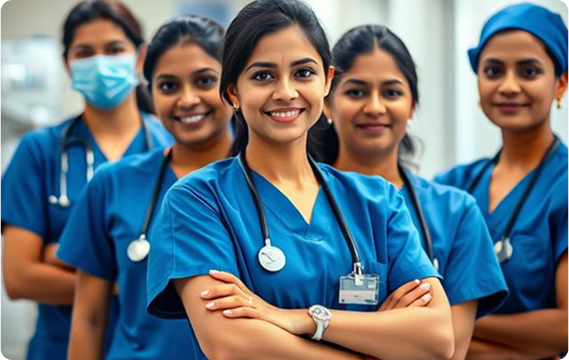
Consider a nurse from Kerala or Punjab who receives appropriate training, secures an ethical placement, and gets support after arriving in the destination country.
That opportunity can create benefits at several levels.
- Better Career Opportunities for Nurses
International employment can allow nurses to develop their professional skills, gain experience in a different healthcare environment, and explore long-term career progression.
- A Better Future for Families
A successful international career can have a meaningful impact on a nurse’s family through greater financial opportunities, professional growth, and new possibilities for the future.
- Stronger Healthcare Workforces
Well-prepared nurses can contribute to healthcare teams in countries facing staffing shortages, helping employers meet patient-care requirements.
- Greater Trust in Indian Talent
When professionals are trained well, placed responsibly, and supported after arrival, they demonstrate the value of India’s skilled workforce.
Each successful placement can help strengthen confidence among overseas employers and create opportunities for future candidates.
Why Germany, the GCC, and Japan Matter
Different international markets offer different workforce opportunities, making destination-specific preparation essential.
Germany
Germany is an important destination for internationally trained healthcare professionals. Nurses pursuing opportunities there need suitable professional preparation, German language proficiency, and an understanding of the country’s healthcare environment.
Gulf Cooperation Council (GCC) Countries
GCC markets offer opportunities across multiple industries, including healthcare. Candidates need to understand the specific qualifications, licensing requirements, and employment conditions applicable to their chosen destination.
Japan
Japan is another important market for skilled talent. Language learning, cultural preparation, and alignment with employer requirements are particularly important for professionals planning to work there.
Across all three destinations, the underlying principle remains the same: successful mobility depends on preparing candidates for the realities of their future roles.
Building a Stronger Global Talent Ecosystem
A reliable global talent ecosystem connects every stage of the candidate journey, from identifying an opportunity to settling into employment.
The process involves several important elements:
- Candidate identification: Understanding a candidate’s qualifications, experience, and career goals.
- Skills development: Preparing candidates to meet relevant professional standards.
- Language and cultural readiness: Helping candidates communicate and adapt to a new working environment.
- Ethical recruitment: Connecting candidates with suitable, legitimate opportunities.
- Employer alignment: Ensuring that candidate capabilities match workplace requirements.
- Post-arrival support: Helping professionals navigate the transition and integrate into their new environment.
Coordination across these stages can reduce uncertainty and improve outcomes for candidates and employers alike.
The Role of Government and Industry Partnerships
Government and industry partnerships are essential to improving international mobility at scale.
Government stakeholders help shape policy and establish the broader framework, while industry participants bring practical experience in recruitment, training, and employer requirements.
Partner countries and overseas employers contribute an understanding of destination-specific workforce needs.
When these groups collaborate, they can work toward more consistent processes, clearer responsibilities, and stronger candidate protections.
The launch of GSMAI represents an opportunity to bring these perspectives together and encourage a more coordinated approach to global talent mobility.
A Shared Responsibility for India’s Global Talent
The next decade is likely to create important opportunities for Indian professionals seeking careers abroad. Turning those opportunities into sustainable outcomes requires a shared commitment from every part of the mobility ecosystem.
Training providers must prepare candidates effectively. Employers must communicate their requirements clearly. Recruitment organisations must act responsibly. Governments and industry bodies must encourage transparent and accountable systems. Destination-country partners must help ensure that employment pathways are aligned with their needs.
Most importantly, the welfare and dignity of the candidate must remain central to the process.
Looking Ahead: Making Global Mobility Work Better
The formal launch of the Global Skills Mobility Association of India marks a meaningful development in the effort to strengthen India’s international talent ecosystem.
For BorderPlus, participation in GSMAI reflects the importance of working collaboratively toward responsible recruitment and better career outcomes for Indian professionals.
The objective is not simply to help more people move abroad. It is to help them move through transparent processes, access appropriate preparation, secure suitable employment, and receive support as they build their careers.
India’s global talent story will be shaped not only by how many professionals work overseas, but also by the quality of the opportunities they receive and the trust they build with employers and partner countries.
The next decade of Indian talent will be global. The priority is to make that journey safe, ethical, and successful for everyone involved.

Stay informed with expert insights, career tips, and industry updates on global healthcare mobility.